
Skin Tag Removal Near Me: Your Local Guide To Solutions
Finding effective skin tag removal near me is easier than you might think. Skin tags, while harmless, can be frustrating and uncomfortable. You don’t have to live with them any longer.
Local dermatologists and clinics offer various solutions, from simple in-office procedures to at-home treatments.
Explore your options and enjoy smooth, clear skin again. Every step you take brings you closer to a more confident appearance.

Skin Tag Removal Near Me: Your Comprehensive Guide
Skin tags are those small, benign growths that often appear in areas where skin rubs against skin or clothing. While they are harmless, many people choose to have them removed for cosmetic reasons or simply to avoid discomfort. If you’re looking for “skin tag removal near me,” you’re not alone. This article will discuss various methods of skin tag removal, what to expect during the process, and how to choose the best location for your treatment.
Understanding Skin Tags
Before diving into removal options, it’s essential to understand what skin tags are. Here’s a quick overview:
- What They Are: Skin tags, or acrochordons, are small, soft pieces of skin that hang off your body. They can vary in size and color and are most often found in areas such as the neck, armpits, eyelids, and under the breasts.
- Who Gets Them: Skin tags can occur in anyone but are more common in older adults, pregnant women, and people with obesity or diabetes.
- Why They Happen: The cause of skin tags isn’t entirely understood, but they tend to form in areas of friction.
- Are They Harmful? Skin tags are non-cancerous and generally not harmful, but they can become irritated or snagged on clothing.
When to Consider Skin Tag Removal
You might consider removing a skin tag in the following situations:
- Cosmetic Reasons: Many people remove skin tags for a smoother appearance on their skin.
- Discomfort: If a skin tag causes irritation due to friction against clothing or jewelry, removal may be necessary.
- Frequent Snagging: Tags located in areas that frequently snag can lead to bleeding or pain.
- Suspicion of Other Conditions: If a skin tag changes in appearance, it’s best to consult a doctor.
Exploring Skin Tag Removal Methods
When searching for “skin tag removal near me,” you’ll find several removal options. Below are the most common methods, along with details about how they work.
1. Surgical Excision
Surgical excision involves a healthcare provider cutting off the skin tag using sterile scissors or a scalpel.
- How it Works: The doctor numbs the area with a local anesthetic, then carefully removes the skin tag.
- Advantages: This method allows for immediate removal and is effective for larger tags.
- Considerations: Expect minor discomfort and a small scar post-removal.
2. Cryotherapy
Cryotherapy entails freezing the skin tag using liquid nitrogen.
- How it Works: The provider applies nitrogen to the tag, causing it to freeze and eventually fall off within a few days.
- Advantages: It’s quick, usually performed in a doctor’s office, and doesn’t require stitches.
- Considerations: Some may experience temporary redness or swelling.
3. Electrosurgery
Electrosurgery uses high-frequency electrical currents to remove skin tags.
- How it Works: The area is numbed, then a device sends an electrical current to the skin tag, effectively removing it.
- Advantages: This method is quick and minimizes bleeding.
- Considerations: Risk of burning or scarring exists.
4. Ligation
Ligation involves cutting off the blood supply to the skin tag.
- How it Works: A string or thread is tied around the base of the skin tag, causing it to fall off after a few days.
- Advantages: This method is simple and has minimal pain.
- Considerations: It may take several days for the tag to fall off, and it’s best suited for smaller tags.
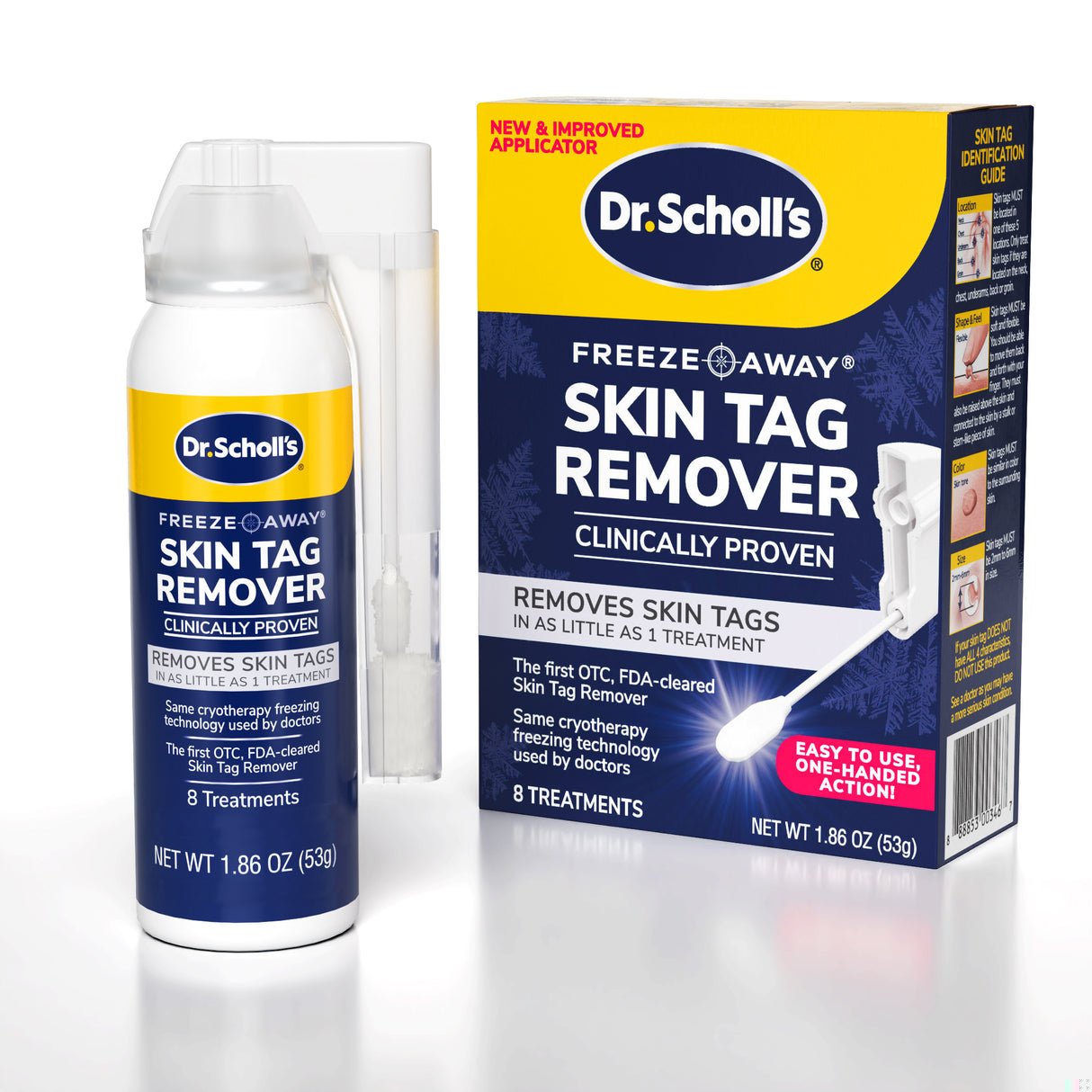
5. Over-the-Counter Treatments
Some products available at pharmacies can help with skin tag removal.
- How it Works: These products typically contain active ingredients that dry out the skin tag, causing it to fall off.
- Advantages: It’s convenient and cost-effective.
- Considerations: Results can vary, and it’s essential to follow the instructions carefully to avoid skin irritation.
What to Expect Before, During, and After Removal
Regardless of the removal method you choose, it’s vital to know what to expect throughout the process.
Before the Procedure
– **Consultation:** Schedule a consultation with a dermatologist or healthcare provider to discuss your concerns and the best removal method.
– **Medical History:** Be prepared to share your medical history, including any medications you’re taking and any allergies you may have.
– **Preparation:** Some procedures may require you to stop taking certain medications or avoid particular skin products.
During the Procedure
– **Anesthesia:** If applicable, the doctor will administer a local anesthetic to numb the area.
– **Removal:** The provider will employ the chosen method for skin tag removal, ensuring the area is sterile throughout.
– **Duration:** Most procedures take only a few minutes, depending on the size and number of skin tags.
After the Procedure
– **Healing:** Expect some redness and minor swelling, which usually subsides after a few days.
– **Care Instructions:** Follow any aftercare instructions provided by your doctor, including how to clean the area and what to watch for in terms of infection.
– **Follow-up:** You may need a follow-up appointment to ensure proper healing and that the skin tag is completely removed.
Choosing a Dermatologist for Skin Tag Removal
Finding the right place for skin tag removal involves researching local dermatologists or clinics. Here are some tips:
- Credentials: Ensure the provider is licensed and has experience in dermatological procedures.
- Reviews: Look for online reviews or ask for recommendations from friends and family.
- Consultation: Schedule a consultation to gauge their approach and comfort level.
- Facilities: Make sure the clinic is clean, well-equipped, and follows proper hygiene protocols.
Cost of Skin Tag Removal
The cost of skin tag removal can vary significantly based on several factors:
| **Factor** | **Cost Range** |
|————————-|—————————–|
| Method of Removal | $100 – $500 per session |
| Number of Skin Tags | Additional cost for multiple tags |
| Location | Prices may be higher in urban areas |
| Provider’s Experience | More experienced providers may charge more |
Most health insurance policies view skin tag removal as a cosmetic procedure, meaning they may not cover it. Always check with your insurance provider beforehand.
Home Remedies: Are They Effective?
While professional removal is often the best option, some people explore home remedies. Here are a few:
- Tea Tree Oil: Some people apply tea tree oil to the skin tag daily, believing it may help dry it out.
- Apple Cider Vinegar: Dabbing apple cider vinegar on the tag is another popular method, but results can be inconsistent.
- Dental Floss or String: Tying dental floss around the base to cut off the blood supply is a DIY method that some find effective.
It’s important to consult with a healthcare provider before trying home remedies, as they can lead to skin irritation or complications.
Preventing Future Skin Tags
While you can’t entirely prevent skin tags, certain steps may reduce your risk:
- Maintain a Healthy Weight: Reducing friction in areas where skin tags commonly develop may help.
- Proper Hygiene: Keeping your skin clean and moisturized can help maintain skin health.
- Regular Check-ups: Regular dermatological check-ups can help identify changes in your skin or new growths early on.
By understanding your options for skin tag removal and knowing what to expect, you can make an informed decision that best suits your needs. Whether you choose to see a dermatologist or consider home remedies, you now have the knowledge to take the next step confidently.
Skin Tag Removal | Dr. Shalini Gupta
Frequently Asked Questions
“`html
What are the common methods for skin tag removal?
Skin tag removal can be done through several methods, including cryotherapy, excision, cauterization, and ligation. Cryotherapy involves freezing the skin tag with liquid nitrogen, while excision requires cutting it off with a scalpel. Cauterization uses heat to burn the tag away, and ligation involves tying off the tag to cut off its blood supply. The best method depends on the size and location of the skin tag as well as individual preferences.
Are skin tag removal procedures painful?
Most skin tag removal procedures cause minimal discomfort. During cryotherapy or cauterization, patients may feel a slight stinging or burning sensation. Excision might involve a bit more discomfort, but doctors usually use local anesthesia to numb the area. After the procedure, some patients may experience mild soreness or sensitivity, which typically resolves quickly.
Will skin tags return after removal?
Skin tags can sometimes reoccur, especially if a person is prone to developing them. Removing a skin tag does not prevent new ones from forming in the future. It is essential to monitor the skin and consult with a dermatologist if you notice new tags or changes in any existing skin tags.
How much does skin tag removal cost?
The cost of skin tag removal varies based on the method used and the location of the procedure. On average, patients can expect to pay anywhere from $100 to $500 per tag. Many insurance plans do not cover this procedure as it is often considered cosmetic. It’s advisable to check with your healthcare provider or dermatologist for a precise estimate.
Does insurance cover skin tag removal?
Insurance coverage for skin tag removal typically depends on the reason for the procedure. If a skin tag causes discomfort or is located in an area where it gets irritated frequently, some insurance plans may cover the removal. However, if the procedure is purely cosmetic, most plans will not provide coverage. Always verify with your insurance provider before proceeding with removal.
“`
Final Thoughts
Finding effective skin tag removal near me can help you regain smooth, blemish-free skin. Various options, from over-the-counter solutions to professional procedures, ensure you find what suits you best. Consulting with a healthcare provider guarantees that you choose a safe and effective method tailored to your needs.
Taking the time to explore local services will lead you to reliable skin tag removal options, giving you confidence in your choices. Prioritize your skin health and consider seeking assistance to achieve the results you desire.


