
Who Painted The Image Above? A Journey Through Art History
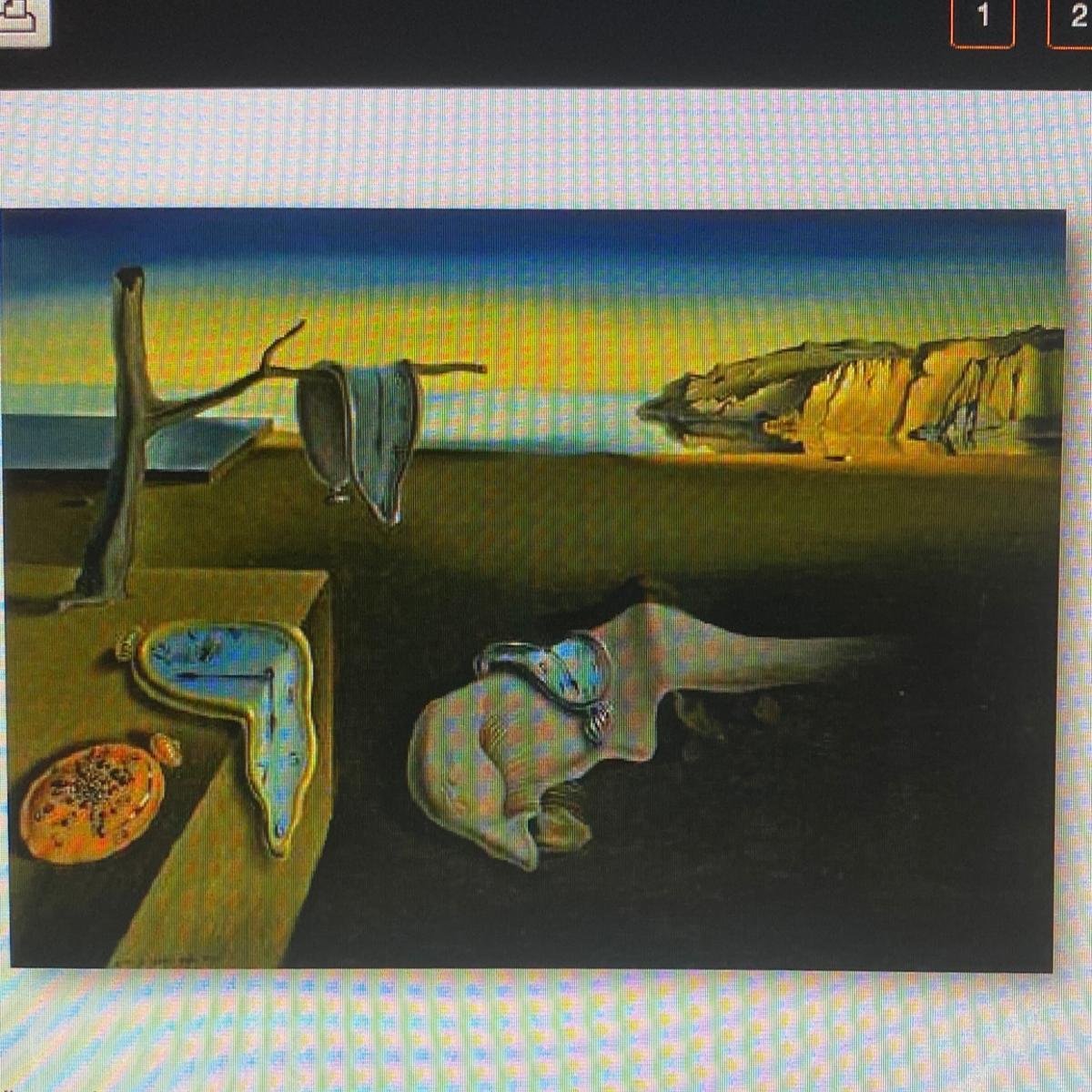
The image above captivates with its vivid colors and intriguing subject. It is the work of the renowned artist Vincent van Gogh, known for his expressive brushwork and emotional depth. As you admire this masterpiece, you might find yourself wondering, “who painted the image above?”
Van Gogh’s unique style continues to inspire artists and art lovers alike. His legacy enriches the world of art, inviting us to immerse ourselves in his vision and passion. Whether you’re an aficionado or a casual observer, his creations resonate in profound ways.

Who Painted the Image Above?
When we look at a beautiful painting, we often wonder about the artist behind it. “Who painted the image above?” is a question that can lead us on an exciting journey through art history, styles, and the life of artists. Each painting tells a story, not just through its colors and brushstrokes, but also through the hand that created it. In this article, we will explore various artists and their notable works, shedding light on how to identify them and understand their impact on art.
The Significance of Identifying Artists
Understanding who painted a piece of art not only adds depth to our appreciation but also connects us to the artist’s intentions, techniques, and historical context. Here are some key reasons why knowing the artist matters:
- Historical Context: Knowing the artist helps us place the artwork in a specific time and culture, enriching our understanding.
- Technique Understanding: Each artist has a unique style and technique that often reflects their personal experiences and emotions.
- Art Market Value: The identity of the artist can influence the value of the artwork in the market.
- Inspiration: Learning about an artist’s life and works can inspire others, especially aspiring artists.
Prominent Art Movements and Their Artists
Throughout history, several art movements have emerged, each characterized by distinct features and celebrated artists. Let’s explore some of these movements and their notable painters.
The Renaissance
The Renaissance was a period of great cultural change and achievement that started in the 14th century and lasted into the 17th century. Artists focused on realism, perspective, and human emotion.
- Leonardo da Vinci: Known for masterpieces like the “Mona Lisa” and “The Last Supper,” Da Vinci was a true polymath.
- Michelangelo: Famous for his sculptures like “David” and the ceiling of the Sistine Chapel, Michelangelo’s work showcases incredible detail.
- Raphael: His painting “The School of Athens” is celebrated for its harmonious composition and depth of character.
Impressionism
Emerging in the late 19th century, Impressionism focused on capturing light and natural forms. Artists often painted outdoors to capture the moment.
- Claude Monet: Known for his series of water lilies and the “Impression, Sunrise” painting which gave the movement its name.
- Edgar Degas: Famous for his paintings of ballet dancers, Degas paid great attention to movement and the human figure.
- Berthe Morisot: One of the few female Impressionists, her works reflect intimacy and the experiences of women.
Modern Art
Modern art spans various styles from the late 19th century to the mid-20th century, often breaking away from traditional forms.
- Pablo Picasso: A pioneer of Cubism, Picasso’s works like “Guernica” and “Les Demoiselles d’Avignon” challenged perceptions of form and space.
- Jackson Pollock: Known for his drip painting technique, Pollock’s abstract works emphasize action and movement.
- Frida Kahlo: Her self-portraits explore identity, postcolonialism, and gender, reflecting personal pain and Mexican culture.
Identifying an Artist from Their Style
When trying to answer the question “Who painted the image above?” identifying the style of the painting can be a crucial clue. Art styles have distinct characteristics that help us recognize them.
Brushwork and Technique
Different artists employ unique brushwork and techniques:
– **Impressionism:** Short, visible brush strokes that capture the essence of a moment.
– **Cubism:** Fragmented objects presented from multiple angles, often through geometric shapes.
– **Surrealism:** Dream-like scenes with bizarre imagery aiming to challenge reality.
Common Themes and Subjects
The themes and subjects in paintings can also help identify an artist:
- Nature and Landscapes: Often associated with Impressionists like Monet.
- Human Figure: Frequently seen in works by Michelangelo and Degas.
- Self-Portraits: Frida Kahlo often painted herself to explore her identity.
Artistic Influence and Legacy
Understanding an artist’s influence on their peers and the art world is vital. Many artists build on the work of those who came before them, leading to new movements and styles.
Impact of the Renaissance Artists
The Renaissance artists profoundly influenced future generations by reviving classical ideas and techniques:
– They introduced the use of linear perspective, which changed how artists construct space in their work.
– The emphasis on humanism in art encouraged artists to focus on human emotion and experience.
Impressionism’s Influence on Future Movements
Impressionism laid the groundwork for various modern art movements:
– Its focus on capturing light and everyday moments influenced artists like the Fauves and Expressionists.
– The rejection of traditional techniques encouraged more experimentation in color and composition.
Famous Artworks and Their Creators
To better understand who painted the image above, let’s look at some famous artworks and the artists behind them. This way, you can cultivate a broader understanding and possibly identify the artist of any painting you come across.
The “Mona Lisa” by Leonardo da Vinci
– **Description:** This portrait features a woman with an enigmatic smile, set against a dreamy landscape.
– **Significance:** It’s considered one of the most famous paintings in the world and showcases Da Vinci’s mastery of sfumato (a technique for softening transitions between colors).
“Starry Night” by Vincent van Gogh
– **Description:** This swirling night sky over a quiet town reflects the artist’s emotional turmoil.
– **Significance:** Van Gogh’s use of vibrant colors and expressive lines has made this painting iconic, representing post-Impressionism.
“The Scream” by Edvard Munch
– **Description:** A figure screams against a tumultuous sky, symbolizing existential dread.
– **Significance:** This work has become a symbol of modern existential angst and has influenced countless artists.
“Guernica” by Pablo Picasso
– **Description:** A powerful black and white mural depicting the horrors of war.
– **Significance:** Picasso created this painting as a response to the bombings in Guernica, showcasing his anguish through distorted forms.
How to Research and Identify Artists
If you find yourself looking at a painting and asking, “Who painted the image above?” here are some effective strategies for identifying artists:
Use Online Resources
Many websites and databases specifically focus on artists and their works.
– **Museum Websites:** Museums often provide information about artists and their exhibitions.
– **Art Databases:** Websites like WikiArt or Artsy allow users to search for artwork by artist, style, or period.
Books and Art Histories
Books on art history can help you learn about different artists and movements.
– Look for books that focus on the period or movement you’re interested in.
– Biographies of artists can provide insight into their techniques and styles.
Art Classes and Workshops
Participating in art classes or workshops can deepen your understanding of art and artists.
– Many classes cover art history, allowing you to interact with artworks and learn about them in detail.
– Workshops can help you appreciate the techniques used by various artists.
When we ponder “Who painted the image above?” we open the door to a world filled with creativity, emotion, and history. The journey of discovering artists and their works enriches our appreciation for art and its place in culture. Each artist, from the masters of the Renaissance to the innovators of modern art, has contributed uniquely to the story of human expression. By learning about these artists, their styles, and their legacies, we not only celebrate their contributions but also inspire future generations to explore the vast and beautiful world of art.
Who painted the above image?#arts #art #image #information #generalknowledge
Frequently Asked Questions
What are some notable works by the artist who created the image?
The artist of the image is renowned for several notable works. Their portfolio often includes themes of nature, human emotion, and vivid color palettes. Some of their most famous pieces have garnered significant acclaim in both academic circles and public exhibitions, showcasing their unique style and technique.
What inspired the artist to create the work depicted in the image?
The artist drew inspiration from a variety of sources, including personal experiences, cultural influences, and the natural environment. They often incorporate elements of their surroundings and emotional narratives into their artwork, which allows viewers to connect more deeply with the themes portrayed.
How does the style of the artist compare to their contemporaries?
The artist’s style sets them apart from their contemporaries through its unique use of color, texture, and innovative techniques. While many artists of their time explored similar subjects, this artist’s approach often blends traditional methods with modern influences, creating a distinct visual language that resonates with audiences.
What techniques does the artist utilize in their paintings?
The artist employs a variety of techniques to achieve depth and emotion in their paintings. These techniques include layering, glazing, and the use of mixed media, which adds texture and richness to their work. Their mastery of brushwork and color blending further enhances the visual impact of each piece.
What themes can be observed in the artist’s body of work?
Common themes in the artist’s body of work include exploration of identity, a deep connection to nature, and the depiction of human experiences and emotions. The artist often challenges viewers to reflect on their own lives and surroundings through thought-provoking imagery and narrative elements.
Final Thoughts
The image above showcases a remarkable work that captivates the viewer’s attention. Artists often evoke emotions through their unique styles and techniques.
For those curious about the creator, it is essential to recognize their contribution to art history.
So, who painted the image above? Identifying the artist enriches our understanding and appreciation of the artwork.


