
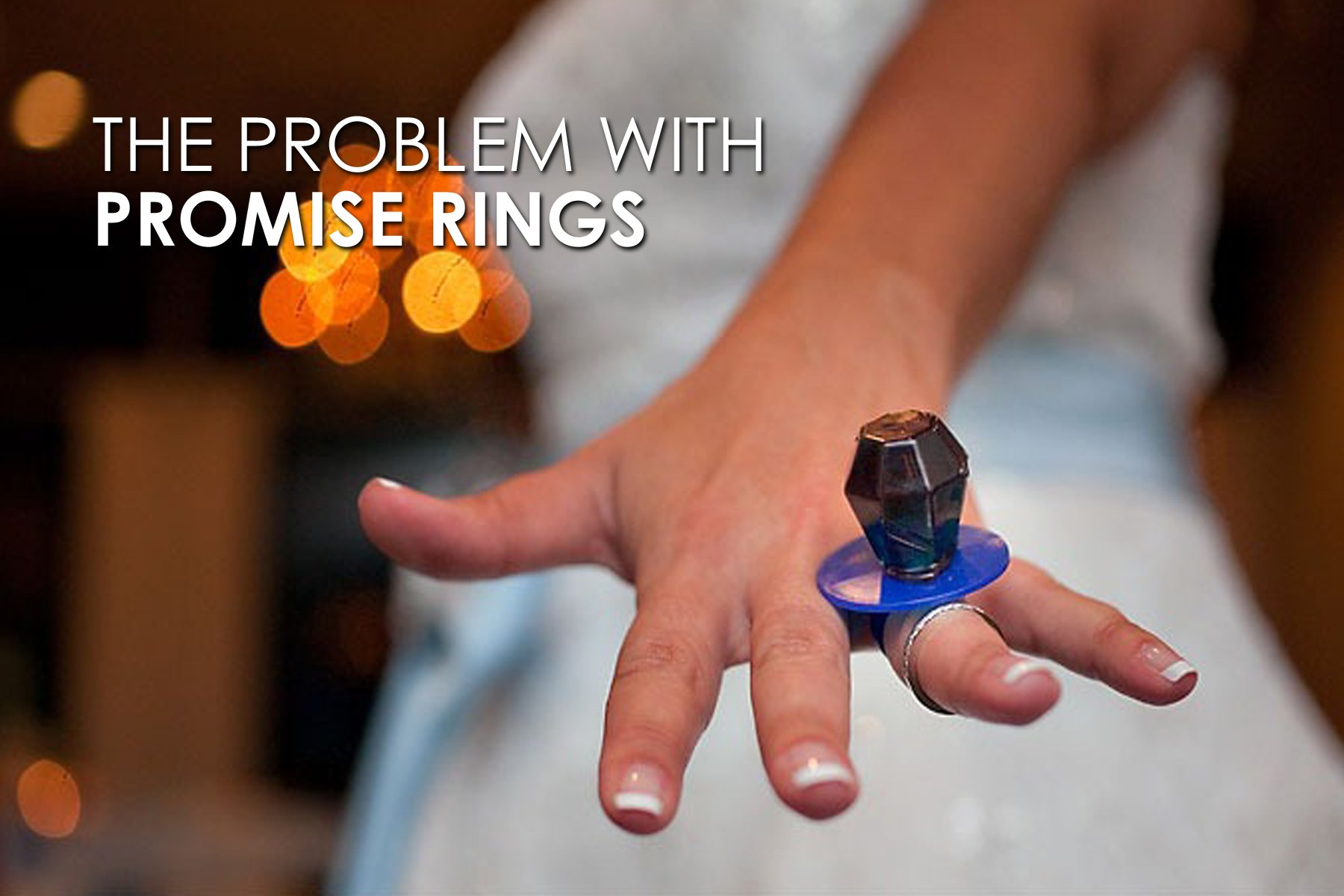
Why Promise Rings Are Bad For Relationships And Expectations
Promise rings might seem like a sweet gesture, but they often create confusion and miscommunication in relationships. Many couples find themselves wondering what these rings truly signify, leading to unmet expectations and emotional turmoil.
Instead of solidifying commitment, promise rings can dilute the meaning of deeper commitments like engagements and marriages. This begs the question, why promise rings are bad? They can foster uncertainty and pressure that young couples aren’t ready to navigate. Ultimately, clarity in relationships is key, and promise rings may only cloud that understanding.

Why Promise Rings Are Bad
Promise rings have gained popularity over the years as a symbol of commitment between partners. However, while they may seem romantic at first glance, there are several reasons why promise rings can be considered problematic. This article explores the potential drawbacks of promise rings, delving into their implications on relationships, communication, expectations, and societal norms.
Lack of Clear Definitions
One of the biggest issues with promise rings is their ambiguous meaning. Unlike engagement rings, which clearly signify an intention to marry, promise rings leave much open to interpretation. Here are some reasons why this lack of clarity can create confusion:
- Vague Commitment: Different people interpret promise rings in various ways. Some may view them as a precursor to engagement, while others may see them as a sign of friendship or loyalty. This lack of consensus can lead to misunderstandings.
- Unrealistic Expectations: When someone receives a promise ring, they might assume that it means their partner is serious about a future together. If the partner has a different interpretation, this disconnect can lead to disappointment.
- Pressure to Define Relationship: The recipient of a promise ring may feel pressured to elevate the relationship to the next level, even if they are not ready. This pressure can strain the relationship and may lead to premature decisions.
Emotional Manipulation
In some cases, promise rings can be used as tools of emotional manipulation. Here’s how this can happen:
- Guilt Trips: A partner may use the promise ring to guilt the other into remaining committed, even if feelings have changed. They might say things like, “You don’t want to throw away the promise we made, do you?”
- Controlling Behavior: Some individuals may use a promise ring as a way to exert control over their partner. It becomes a way to bind someone to the relationship without giving them the freedom to choose.
- Delayed Breakups: Instead of having an honest conversation about their feelings, a partner might choose to stay in a relationship longer than necessary because of the promise ring, leading to resentment and negative emotions.
Market Pressure and Commercialization
The jewelry industry has capitalized on the trend of promise rings, which can detract from their sentimental value. Here are some points to consider:
- Commercialized Love: The push to buy promise rings often turns a deep commitment into a commercial exchange. This can make relationships feel more transactional and less meaningful.
- Financial Strain: Some individuals may feel obligated to purchase an expensive promise ring, leading to unnecessary financial strain. This can create stress in the relationship, which is counterproductive to the idea of a loving commitment.
- Trends Over Sentiment: The rise of social media can lead couples to prioritize trendy symbols of love over authentic connections. A promise ring might feel more important for social status than for genuine emotional reasons.
The Pressure of Status and Comparison
In today’s social media landscape, relationships are often put on display. This can create pressure around symbols of commitment, such as promise rings:
- Social Media Influence: Couples may feel compelled to show off their promise rings online, which can lead to a feeling of competition among peers. This external pressure can distort the true meaning of the ring.
- Fear of Missing Out (FOMO): Seeing friends with promise rings might lead individuals to feel they should also have one, creating a sense of urgency that isn’t grounded in their relationship’s reality.
- Comparison Trap: Couples might compare their rings, the significance of their promises, and their relationship trajectories with others, leading to dissatisfaction with their own commitments.
Poor Timing and Relationship Stages
Another critical factor to consider is the timing of giving or receiving a promise ring. Here’s how timing can negatively impact relationships:
- Inappropriate Timing: People might give promise rings during moments of passion or high emotion, which can lead to hasty decisions. A promise made during a romantic moment may not hold the same weight later on.
- Young Age: Many promise rings are given by young couples who may not fully understand the gravity of such commitments. This can lead to regret and confusion as they grow and change.
- Disruption of Natural Progression: Introducing a promise ring before both partners are ready for serious discussions about the future can disrupt the natural development of the relationship.
Potential for Breakups and Heartbreak
Promise rings can lead to complicated emotions when relationships don’t work out. Here’s why:
- Feelings of Betrayal: If someone gives a promise ring and later breaks up with their partner, the other person may feel betrayed. The promise ring can symbolize hope for a future that never materialized.
- Emotional Attachment: A promise ring can create a strong emotional attachment. If the relationship ends, moving on can become more difficult, causing prolonged heartache.
- Regret: Both partners may experience regret about their decisions, especially if they realize too late that the promise ring didn’t mean what they thought it did.
Alternatives to Promise Rings
If promise rings pose so many challenges, what are some healthier alternatives? Here are some suggestions:
Open Communication
Instead of a promise ring, prioritize discussions about commitment and feelings. Open communication fosters a stronger relationship. Consider:
- Setting aside time for regular, honest conversations about where the relationship is heading.
- Discussing individual feelings, fears, and expectations to ensure both partners are on the same page.
Symbolic Gestures
If couples still wish to symbolize their commitment, they can explore alternatives that don’t carry the same weight as a promise ring:
- Personalized Gifts: Consider gifts that hold special meaning for both partners, like a book or a piece of art that reflects shared interests.
- Meaningful Experiences: Instead of a ring, create shared experiences that build connection, such as traveling together or taking a class.
Engagement Discussions
If both partners are seriously committed to each other, consider discussing future intentions directly rather than using a ring as a middleman. Focus on:
- Establishing what an engagement would look like and when both partners would feel ready.
- Discussing long-term plans without the pressure of needing a physical symbol at this stage.
Final Thoughts on Promise Rings
While promise rings may seem like a sweet gesture of commitment, they bring a host of potential problems. From lack of clear meaning and emotional manipulation to market pressure and poor timing, these rings can complicate relationships in ways that aren’t always immediately apparent. Instead of relying on promise rings, couples would benefit more from fostering clear communication and genuine connections.
Ultimately, commitment should come from understanding and support, not from a ring that may misrepresent the relationship. Being open and honest about feelings can build a stronger foundation that lasts longer than any piece of jewelry.
As relationships grow and change, so should the ways in which couples express their commitment to each other. By focusing on clear communication and shared experiences, partners can create meaningful connections that sustain them through both good times and bad.
Is it bad to ask your significant other for a promise ring?
Frequently Asked Questions
“`html
What are the emotional risks associated with promise rings?
Promise rings can sometimes lead to emotional confusion and misunderstandings. Individuals may interpret the promise differently, leading to mismatched expectations. For example, one partner may see the ring as a step towards engagement, while the other may view it as a simple gesture of affection. This disparity can cause unnecessary tension and heartache, especially if one partner feels more committed than the other.
How can promise rings impact a relationship’s progression?
Promise rings can either stall or complicate the natural progression of a relationship. By introducing a formal commitment at an early stage, partners may feel pressured to define their relationship in a specific way, which can hinder open communication about future goals. Instead of allowing the relationship to evolve organically, the ring may create a premature sense of obligation that could lead to resentment or dissatisfaction later on.
What financial implications do promise rings carry?
Promise rings often come with financial burdens that some couples may not consider. The cost of the ring might strain a budget, especially if the couple feels they need to invest in something significant to symbolize their promise. This financial pressure can lead to stress and resentment, particularly if one partner feels they overspent or if the promise itself doesn’t lead to a meaningful long-term commitment.
Can promise rings create societal or peer pressure?
Wearing a promise ring can sometimes lead to societal or peer pressure, especially among younger individuals. Friends or family may have their own opinions about the significance of such rings, leading to unwanted scrutiny or expectations. This external pressure can distort the couple’s understanding of their relationship and contribute to anxiety about conforming to others’ viewpoints rather than focusing on their own individual commitment.
What are the issues with misunderstanding the symbolism of promise rings?
The symbolism of promise rings varies greatly among individuals and cultures, which can lead to misunderstandings. Some people may see a promise ring as a serious commitment, while others view it as just a thoughtful gift. These differing interpretations can lead to confusion and disappointment if partners do not communicate openly about what the ring means to them, ultimately creating friction in the relationship.
“`
Final Thoughts
Promise rings often create confusion and misunderstandings in relationships. They can lead to false expectations, suggesting a commitment that might not be genuine or mutual. When one partner takes it seriously while the other does not, it can breed resentment and disappointment.
Moreover, the significance of promise rings can vary greatly between couples, making it difficult to define what they truly represent. This ambiguity can undermine the relationship rather than strengthen it. Ultimately, these factors highlight why promise rings are bad for many couples seeking clarity and commitment.


